
Last updated November 21, 2026
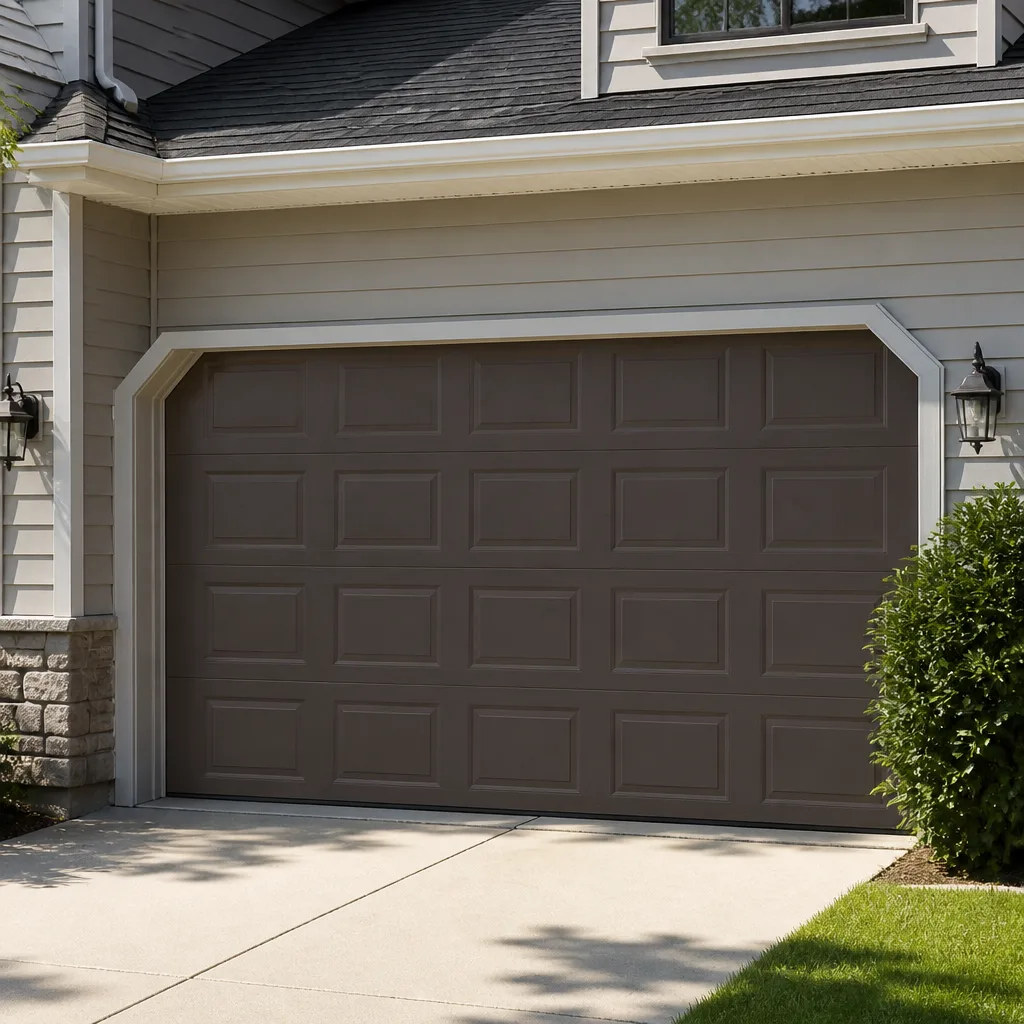 Raised-panel steel
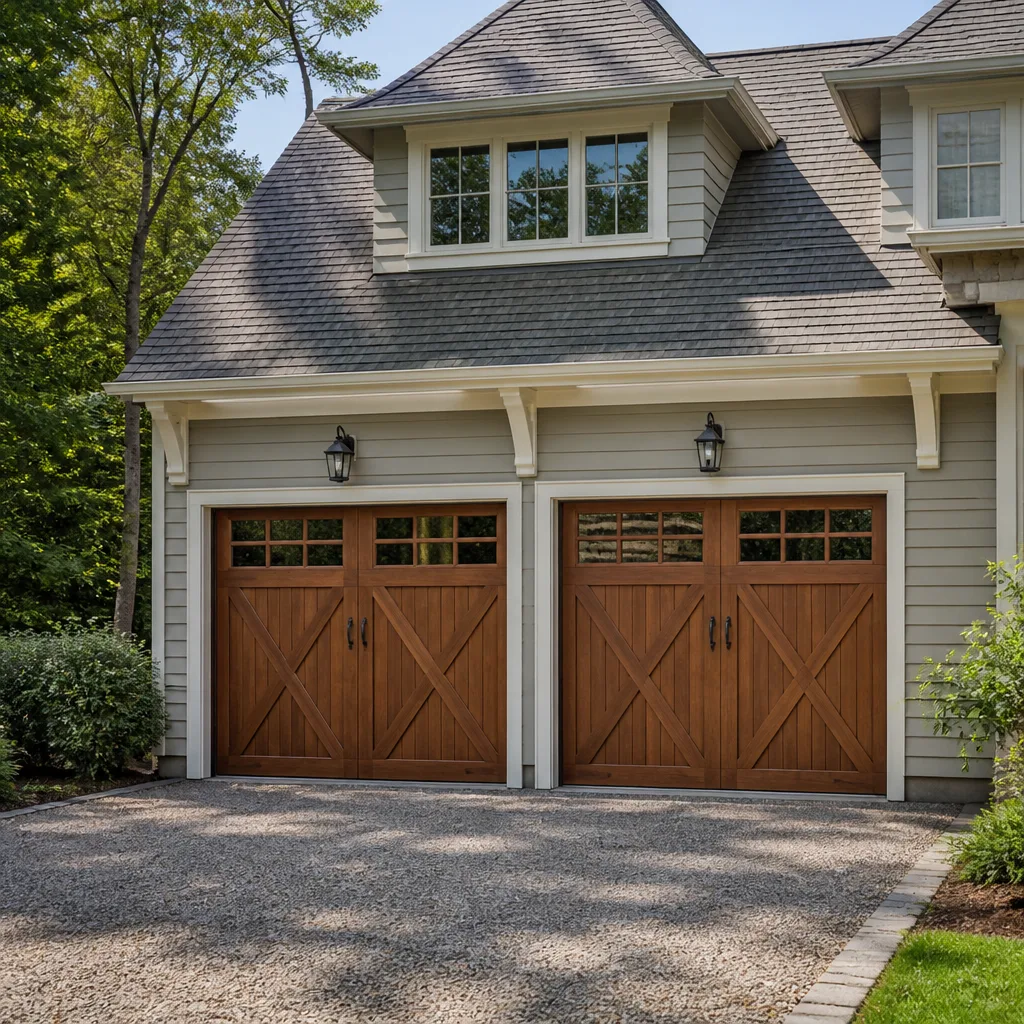 Carriage house
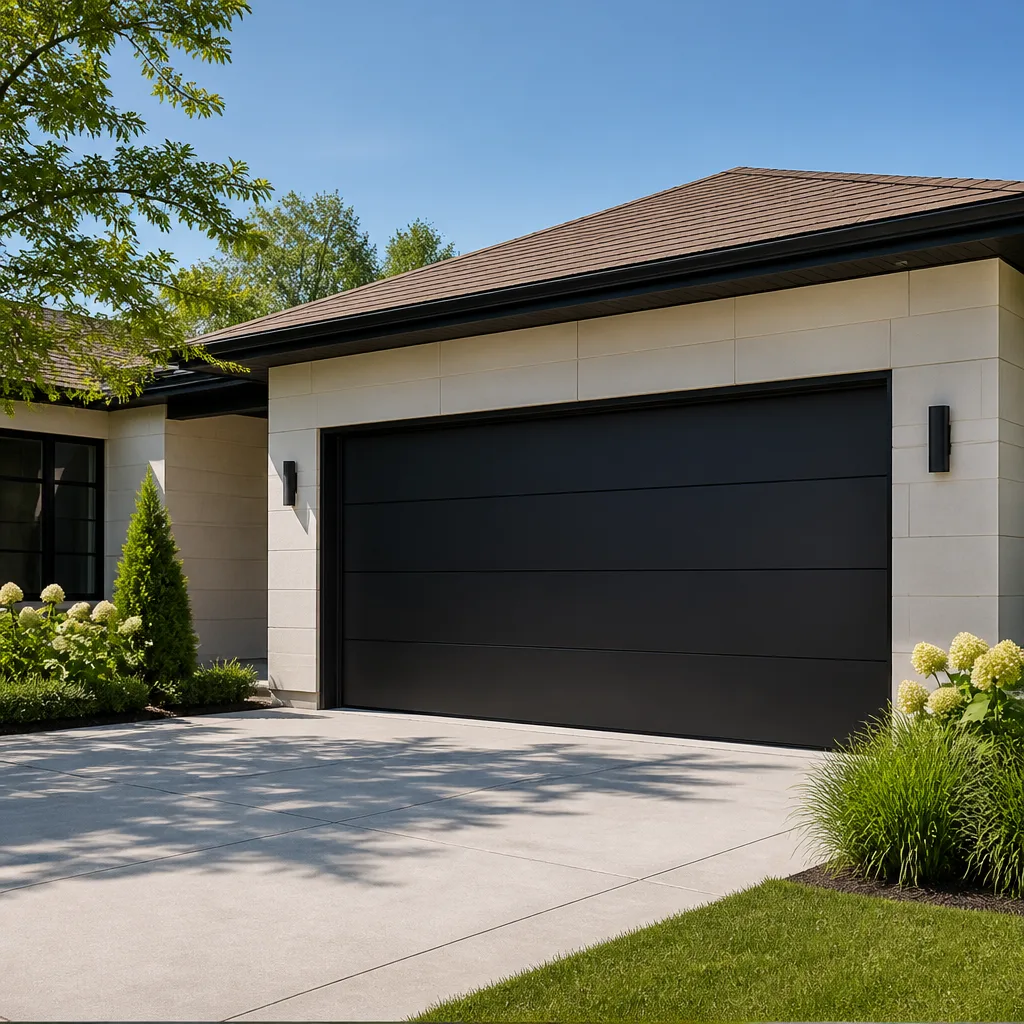 Modern flush
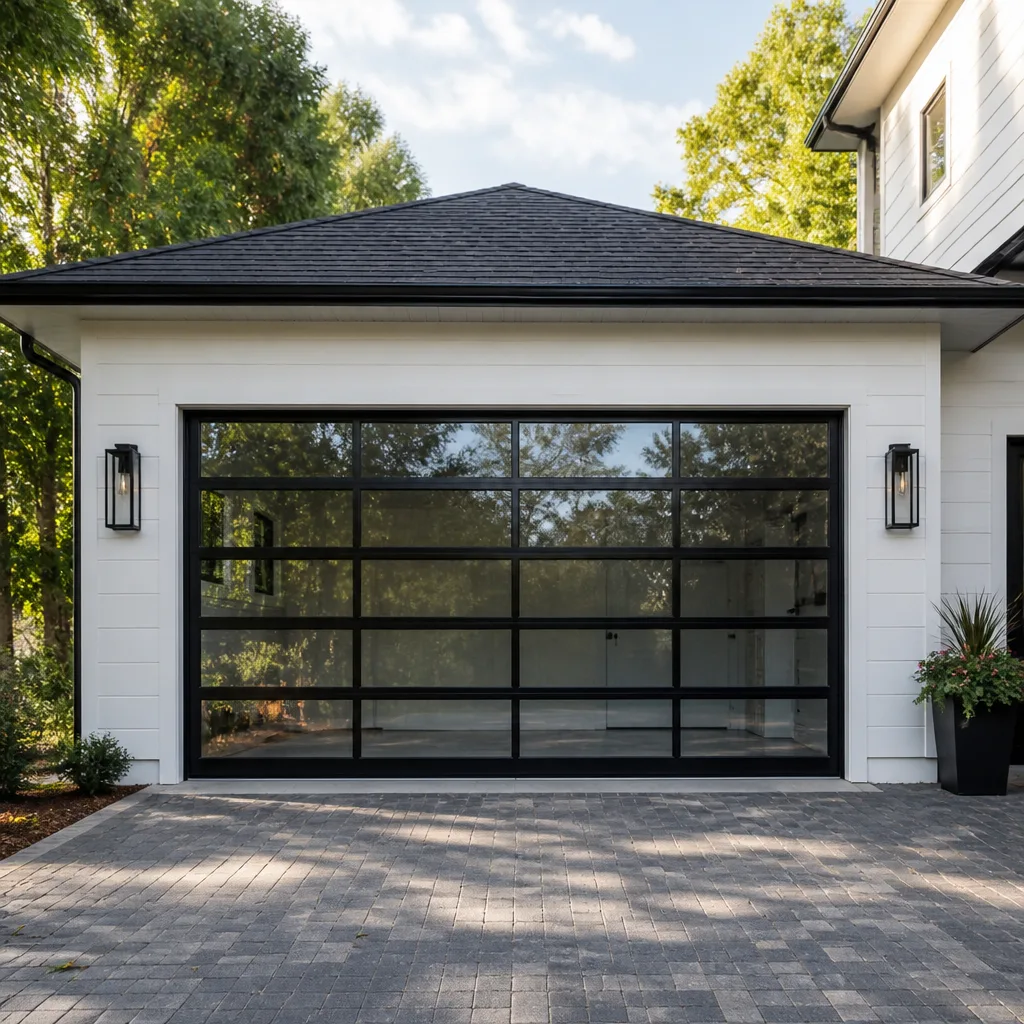 Full-view glass
 LiftMaster openers
 Chamberlain openers
Full 25-point door and opener safety check with every visit - springs, cables, rollers, tracks, and your LiftMaster or Chamberlain opener included
You get a price before we start. It does not change when the pro arrives.
Get your free estimateGarage Door Permits, Codes & Inspections in Port Saint Lucie, FL: What You Need to Know
Most homeowners here assume a garage door replacement is like swapping out a refrigerator: buy it, install it, done. That assumption is the one that causes trouble later. In Port Saint Lucie, a new door or a change to its size or structure sits inside Florida’s product approval system and St. Lucie County’s own permit and inspection process. Skip that step and you can end up with a door that looks fine, works fine, and quietly creates problems at resale or during an insurance review. This guide walks through when a permit is required in Port Saint Lucie, what product approval means, how the county inspection actually works, and how to clean up a permit that was never pulled.
Quick Answer
A permit is required in St. Lucie County when a garage door install involves a structural change, a size change, or the addition of a new opening. A like-for-like, same-size replacement with a product-approved door often falls into a category the building department treats differently than a structuraful change, but the safest move is always to confirm with the St. Lucie County Building Department before the door is ordered. Every door installed in the county needs to carry a Florida product approval (an NOA) that meets the wind-load requirements for the site, and the installation needs to be available for inspection.
Styles & brands we work with
- Raised-panel steel
- Carriage house
- Modern flush
- Full-view glass
- LiftMaster openers
- Chamberlain openers
Table of Contents
- Why a Garage Door Permit Isn’t Just Paperwork in Port Saint Lucie
- What Triggers a Permit in St. Lucie County: Same-Size vs. Structural Change
- What “Product Approval” Means Under Florida Building Code 1714
- How to Verify a Door’s NOA Before It’s Ordered
- How the Inspection Process Works at St. Lucie County
- Wind-Load Requirements by Zone and Why a Central Florida Rating May Not Pass
- What Happens at Resale When a Permit Was Skipped
- How to Retroactively Resolve an Unpermitted Door
Why a Garage Door Permit Isn’t Just Paperwork in Port Saint Lucie
In Port Saint Lucie, a garage door is part of the building’s wind-load envelope. That framing is the whole reason the permit process exists. The door is the largest moving opening in the house, and during a wind event the pressure it takes is significant. The building department reviews door replacements because the failure of an unapproved door isn’t a cosmetic issue – it’s a structural event that opens the garage to the wind.
Here’s where homeowners get caught. The permit record is public and it follows the property, not the person. A door that was swapped without a permit sits in that record as an open question. Insurance carriers and title reviewers pull permit histories during claims and during a sale. When a claim involves the garage door and the insurer sees no permit for the install, the question of whether the work met code comes up, and that’s a conversation no homeowner wants during a storm loss.
We work on garage doors across Port Saint Lucie, from the Communities at Riverbend to the older neighborhoods off Port St. Lucie Boulevard, and we see the same pattern again and again: doors installed during a weekend project or a quick sale that never went through the process. They look and operate fine. But the permit gap doesn’t show up until someone looks. If you’re unsure what the history of your door looks like, our Port Saint Lucie Garage Door Repair page is a good place to start with a conversation, because before any repair or replacement we want to know what’s actually installed and how it was put in.
The short version: the permit isn’t required because the county likes forms. It’s required because a garage door in this climate is a structural component, and the record of that component needs to be accurate.
What Triggers a Permit in St. Lucie County: Same-Size vs. Structural Change
The single biggest source of confusion is the line between a like-for-like replacement and a replacement that counts as a change. The two are treated differently, and the difference matters before you place an order. Here’s how the distinction breaks down in general terms:
Like-for-like, same-size replacement
- The opening stays the same width and height.
- The door type, operation, and configuration match what was there (roll-up for roll-up, sectional for sectional, same number of sections and same panel material class).
- The headroom, tracks, and hardware remain in the same position and meet the manufacturer’s installation requirements for the new door.
- The door itself carries a valid Florida product approval meeting the wind-load requirement for the site.
Many jurisdictions treat this category as more administratively simple, but that doesn’t mean skip the building department. You or your installer should confirm the current county position every time. Rules can and do shift, and the department’s current answer is the one that counts.
Structural or size change
- Widening or heightening the opening, or converting a non-door opening into a garage door opening.
- Changing door type in a way that alters how the door loads the structure (for example, swapping a sectional door for a roll-up or a carriage-house style with different header loads).
- Altering the header, jack studs, or other framing around the opening.
- Adding a new garage door where none existed (a carport conversion, for example).
Any of these counts as construction, and construction needs a permit and an inspection. This is where an installer who treats every job casually causes problems. The install might be beautifully done and still fail the record because the permit was never pulled. Before you order anything, call the St. Lucie County Building Department and confirm which category your job falls into. It’s a phone call that saves a lot of headaches.
What “Product Approval” Means Under Florida Building Code 1714
Florida Building Code section 1714 covers the product approval system. In plain terms: certain building products used in Florida, particularly those that affect the wind-resistance of a structure, must have a Florida product approval before they can be installed. Garage doors are on that list. This is not a manufacturer’s marketing claim or a sticker on the box. It’s a specific document in a state-maintained system.
The document you’re looking for is called an NOA – a Notice of Acceptance. An NOA tells you:
- The exact product (make, model, and series) that’s been evaluated.
- The design pressure and wind-load rating the product achieved.
- The install conditions under which that rating applies, including the anchoring and reinforcement requirements.
- The evaluation entity and the state approval number.
Here’s the piece homeowners miss. When a door is installed differently than the NOA specifies, it is no longer the approved product from the state’s point of view. Same door, same box, different anchors, or reinforcing struts omitted, or the door installed in an opening not covered by the approval – and the approval doesn’t travel to the installation. That’s why “the door has an NOA” isn’t enough. It’s also why the installer matters, not just the door.
When we spec a door, we look up the NOA for the model and match the install method to what the document requires. The brands we work with most often in Port Saint Lucie – Clopay, Amarr, Wayne Dalton, Raynor – all publish NOAs for their products, but the model and series matter. Two doors from the same brand can have entirely different approvals. If you’re comparing quotes and one doesn’t include the NOA number for the specific model, that’s a sign to dig deeper. You can read more about what an installation involves on our garage door installation page.
How to Verify a Door’s NOA Before It’s Ordered
You want to see the NOA before the door is ordered. Once the door is on a truck, it’s too late to find out it doesn’t meet the requirement for your site. Here’s the sequence we follow:
- Identify the model and series, not just the brand. A no-brand or a brand-only reference doesn’t get you to a document. You need the specific model number.
- Look up the NOA in the Florida Product Approval system. The state maintains a searchable database, and the NOA has its own number, revision date, and evaluation entity.
- Match the design pressure to the site requirement. The NOA specifies what the product holds; your site has its own required design pressure based on location. These two numbers have to meet.
- Confirm the install method matches the NOA. Read the installation section of the NOA. Anchors, struts, hinge and bracket specifications, and reinforcement requirements all appear there. If your installer’s plan doesn’t match the NOA, it isn’t the approved product.
- Keep a copy with the permit paperwork. The inspector will want to see it in some form. Having it on hand makes the inspection go smoothly.
If you’re replacing an opener at the same time, the door’s NOA doesn’t cover the opener. The opener is a separate item with its own product approval and safety requirements. We handle both under one visit, and our garage door opener repair page covers what a LiftMaster or Chamberlain system needs to pass. Bringing the door and the opener records together into one permit file is the cleanest path.
One more detail: the NOA has a revision or evaluation date. If a model’s approval has been superseded or withdrawn, using the old document for a new order is a problem. Confirm you’re looking at the current approval for the model that’s actually being installed.
How the Inspection Process Works at St. Lucie County
The inspection is not a quality review. That’s the most common misunderstanding. The inspector is checking that the installation matches the approved product and the permitted scope – not judging how smoothly the door runs or whether the tracks are aligned. Those things matter, but they’re not the inspection’s job.
What the inspector typically confirms:
- The door installed is the product listed on the permit and the NOA (model, series, and any reinforcement specified).
- The anchoring and structural fastening match the NOA’s requirements.
- The opening dimensions match the permitted scope – no hidden size changes.
- Any structural work (header, framing, new opening) matches what was permitted.
What homeowners often assume is checked but usually isn’t the focus:
- Opener settings, travel limits, and force adjustments (these are safety items, but typically a separate concern).
- Photo-eye alignment and auto-reverse operation (again, safety, but not the structural inspection).
- Balance of the door, spring tension, and roller wear.
That gap is why we run our own balance and safety check on a new install before we call the job done. It’s not because the inspector will complain, but because a door that passes inspection and then fails on safety hasn’t done its job. If your door is due for the inspection and you’re noticing something off in how it opens, our garage door repair page covers what we look at. In Port Saint Lucie, a door that’s passed inspection can still have a mechanical issue if balance and hardware weren’t touched during the install.
Wind-Load Requirements by Zone and Why a Central Florida Rating May Not Pass
Wind-load requirements in Florida aren’t uniform across the state. The design pressure a door needs to meet is based on the property’s location and the characteristics of the site. A door that carries an NOA meeting a design pressure adequate for a site in the central part of the state can still fall short in Port Saint Lucie if the required pressure for the specific location is higher. This isn’t a knock on the door; it’s a state of the geography.
A few things drive the requirement:
- Geographic wind zone. Design pressures vary across Florida based on the mapped wind speeds for the area.
- Exposure category. How open the surrounding terrain is to wind affects the pressure the building experiences.
- Building height and configuration. A single-story house and a taller structure load the door differently.
- Opening size. A larger door catches more pressure and often needs more reinforcement to meet the same rating.
What this means in practice: don’t assume that the door your neighbor put in with approval will pass for your house. It might. But if the opening size or the site characteristics are different, the required design pressure can shift. This is where an installer who reads the NOA and matches it to the site saves you from a door that gets rejected at inspection. It’s also why we ask for the opening dimensions and a few site details before recommending a model, not after.
The practical answer for most Port Saint Lucie homeowners is to insist that any door spec includes the specific model, the NOA number, and the design pressure, and to compare those against the required pressure for the site. If the numbers don’t line up, pick a different door. Our technicians have up to 13 years of experience reading these documents, and it’s one of the first things we confirm when we’re working with Craftsman, Raynor, LiftMaster, or Chamberlain equipment in a Port Saint Lucie garage.
What Happens at Resale When a Permit Was Skipped
A skipped permit doesn’t stay a secret. It shows up in the property’s permit record, and that record is part of the disclosure and title review that happens during a sale. The typical sequence: a title search or municipal lien search pulls the permit history, an inspector or the buyer’s agent notes a door install with no corresponding permit, and the question goes on the table. Sometimes it’s caught early. Sometimes it surfaces at the closing table, which is the worst possible time.
What happens next depends on the parties. A buyer might ask for a price reduction to cover the cost of corrective work. A lender might hold up financing until the permit issue is resolved. An insurer might want to know the door’s approval status before binding coverage on the property. And a buyer’s inspector might flag the door itself as suspect if the approval can’t be documented. None of these are catastrophic, but all of them cost time and money that a permit would have avoided at the outset.
There’s also the insurance angle. A homeowner’s policy covers loss, but it also has conditions about the property being maintained and built in accordance with code, and an adjuster is allowed to look at whether work was permitted. That doesn’t automatically mean a claim is denied, but it’s an argument the insurer can raise when the garage door was part of the loss and the install was never permitted. The cleanest defense is a permit record that shows the work was done correctly.
If you’re prepping a home for sale in Port Saint Lucie and you know the door was replaced without a permit, get ahead of it. Resolving it before the buyer’s inspection is much cheaper and smoother than resolving it under a closing deadline.
How to Retroactively Resolve an Unpermitted Door
An unpermitted door isn’t a permanent problem. It can be resolved, but it requires working with the St. Lucie County Building Department rather than around them. The process is different from a fresh permit, and it usually requires documentation that the door and installation meet current code – which is where things get interesting if the door was installed years ago against a previous version of the code.
The general sequence:
- Call the St. Lucie County Building Department. Describe the situation – what was installed, when, and what records you have. Ask what they require for a permit issued after the fact (often called an after-the-fact or retroactive permit).
- Gather documentation on the door and the install. The NOA for the model (if you can identify it), the make, the install details, and any receipts from the original work. If you can’t identify the model, this becomes harder – a technician can help identify the equipment from the door’s hardware and stickers.
- Arrange for whatever inspection the department requires. This might be a structural inspection, or it might be a documentation review. Follow what they ask for exactly.
- Complete any corrective work the inspection identifies. If the door doesn’t meet the required design pressure for the site or the install doesn’t match the approval, remediation may be necessary. That could mean reinforcements, anchors, or in the worst case a different door.
- Get the record updated. Once the process is complete, the permit shows as issued and finaled in the property record, and the resale problem is resolved.
Two things help enormously: knowing the door’s make and model, and having the original NOA. If neither is available, the resolution usually starts with a site visit to identify the equipment and assess whether the installation can be brought up to compliance. If you’re facing a retroactive permit and need help identifying or resolving the door situation, we’re happy to look at it with you. Call (855) 337-1068 and we’ll talk through what you’ve got.
Common Mistakes to Avoid
- Assuming a like-for-like swap never needs a conversation. It often is simpler, but the county’s current answer is the one that matters. Confirm the category before ordering. Two minutes on the phone with the building department is worth more than a guess.
- Buying a door on the strength of “it’s approved” without an NOA number. An approval that can’t be cited by model and number isn’t an approval for your install. Ask for the document, not the claim.
- Installing the door correctly but in a way the NOA doesn’t cover. The approval is tied to the installation method, not just the product. Anchors, struts, and reinforcement all have to match.
- Reusing an older NOA for a new model. Product approvals are revised and withdrawn. Confirm the NOA matches the exact model being installed today.
- Assuming the inspector will check the opener and balance. The inspection is about the structural install. Call the opener settings and door balance a separate task and handle both before you call the job done.
- Skipping the permit to save time on a resale. The permit history is public and shows up in title and municipal searches. A skipped permit is often more expensive to clean up later than to pull in the first place.
- Ignoring a size difference because the door fits. If the opening height or width differs from what was permitted, that’s a structural change even if the install looks clean. This is one of the more common things a title search surfaces.
See the difference
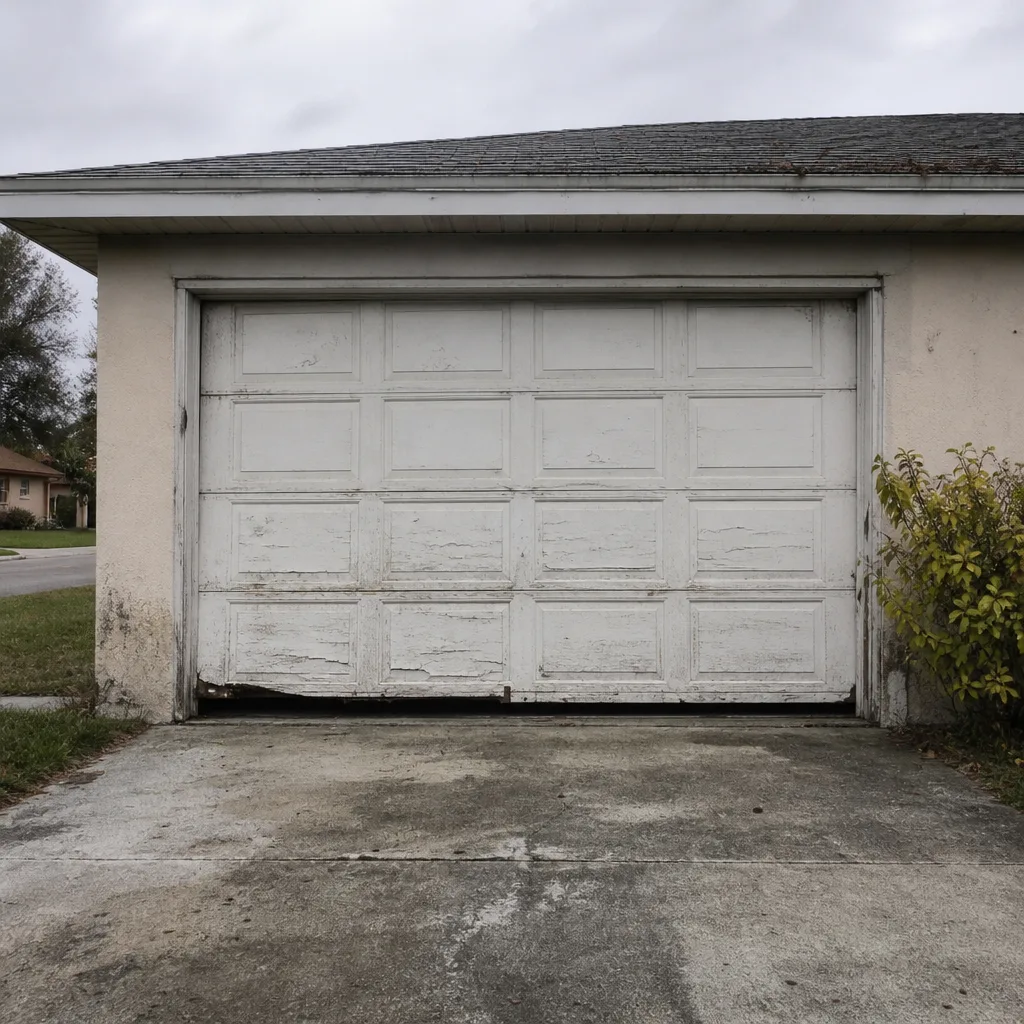 Before
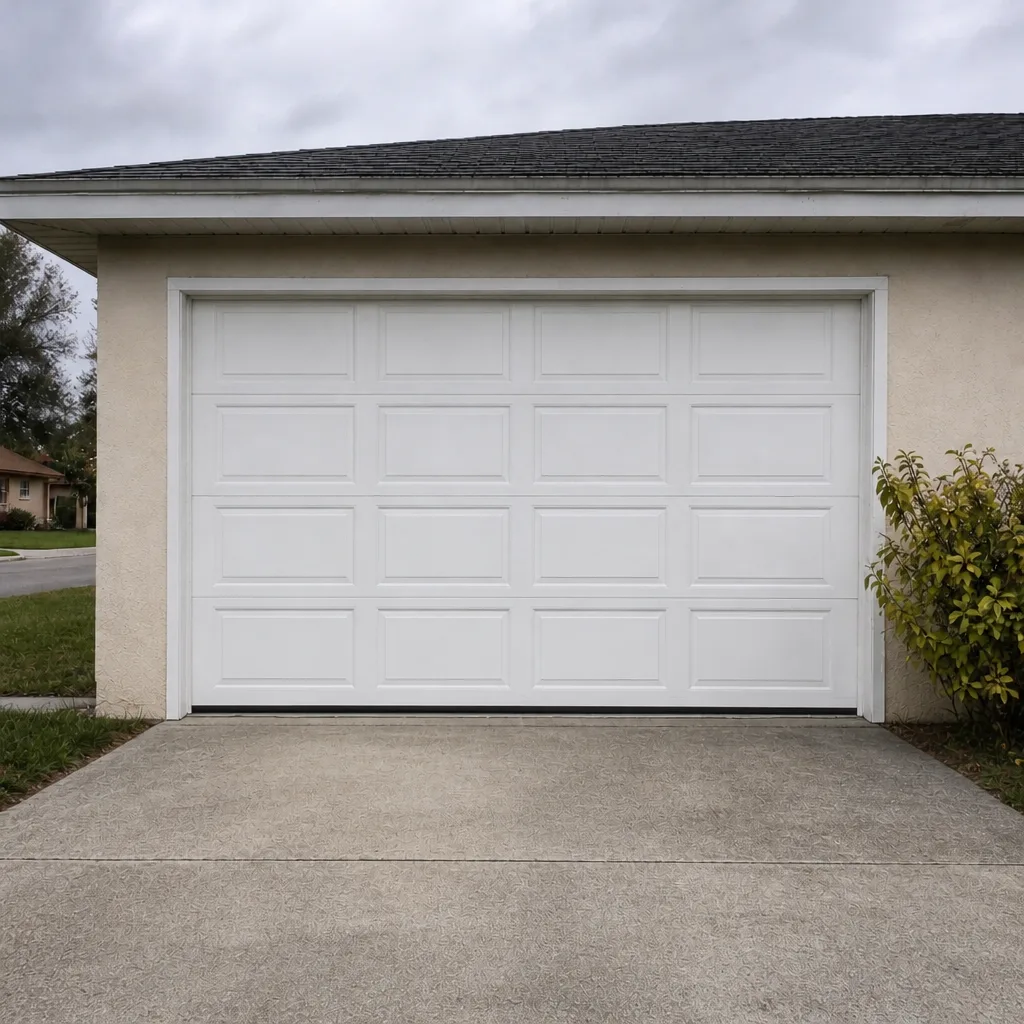 After
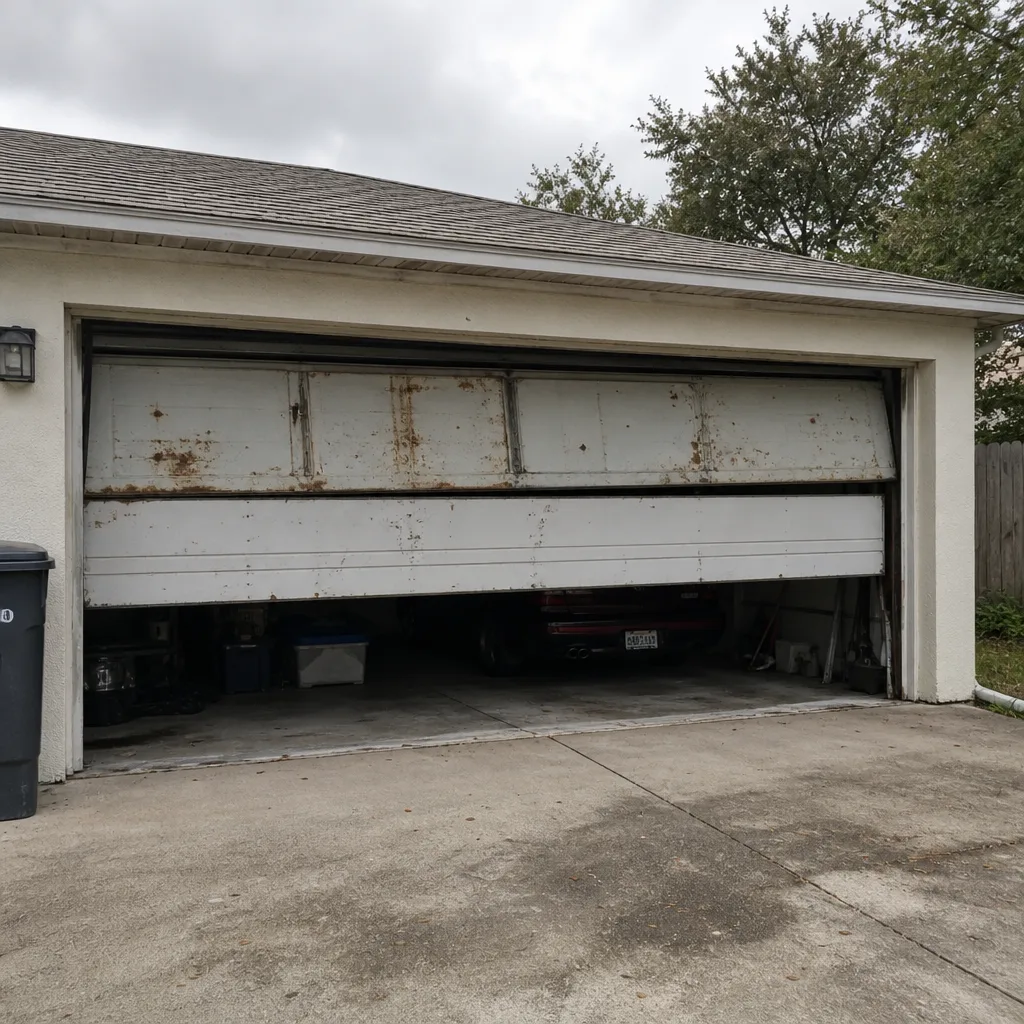 Before
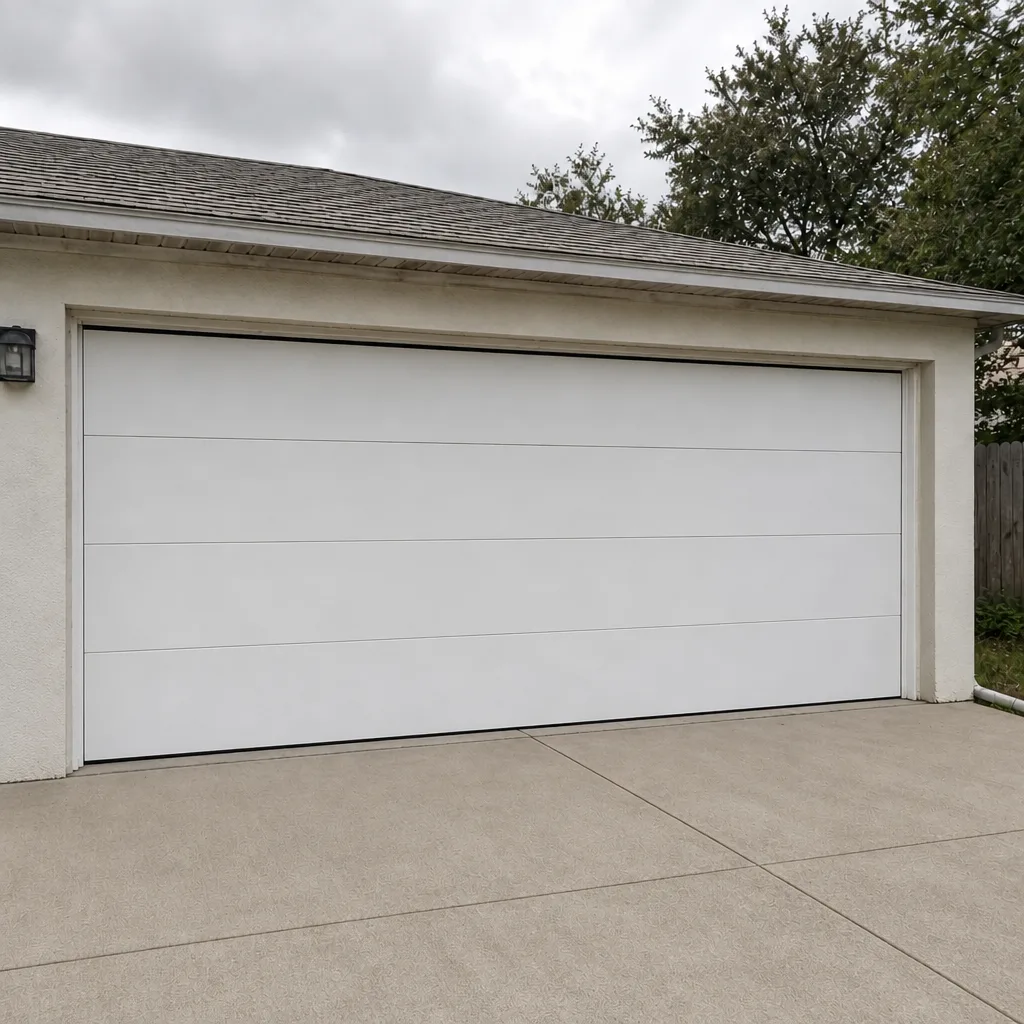 After
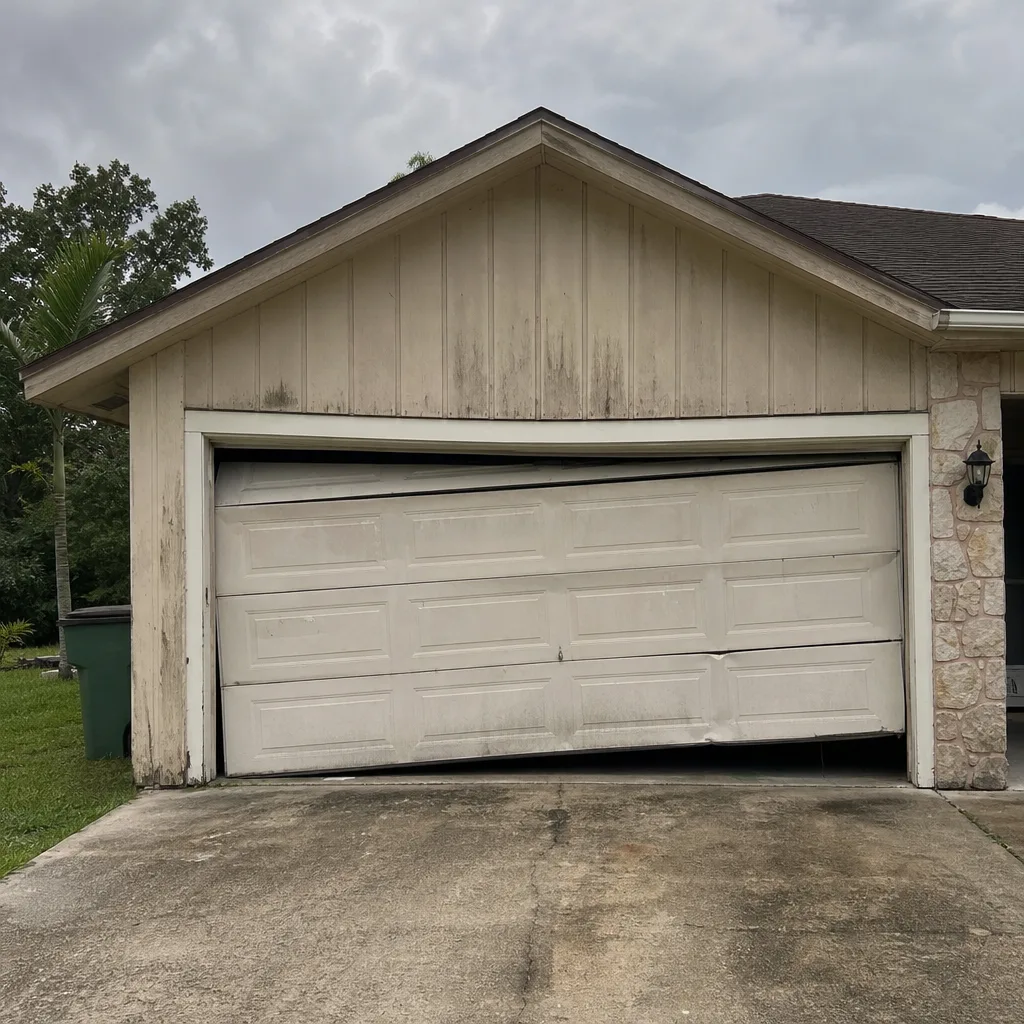 Before
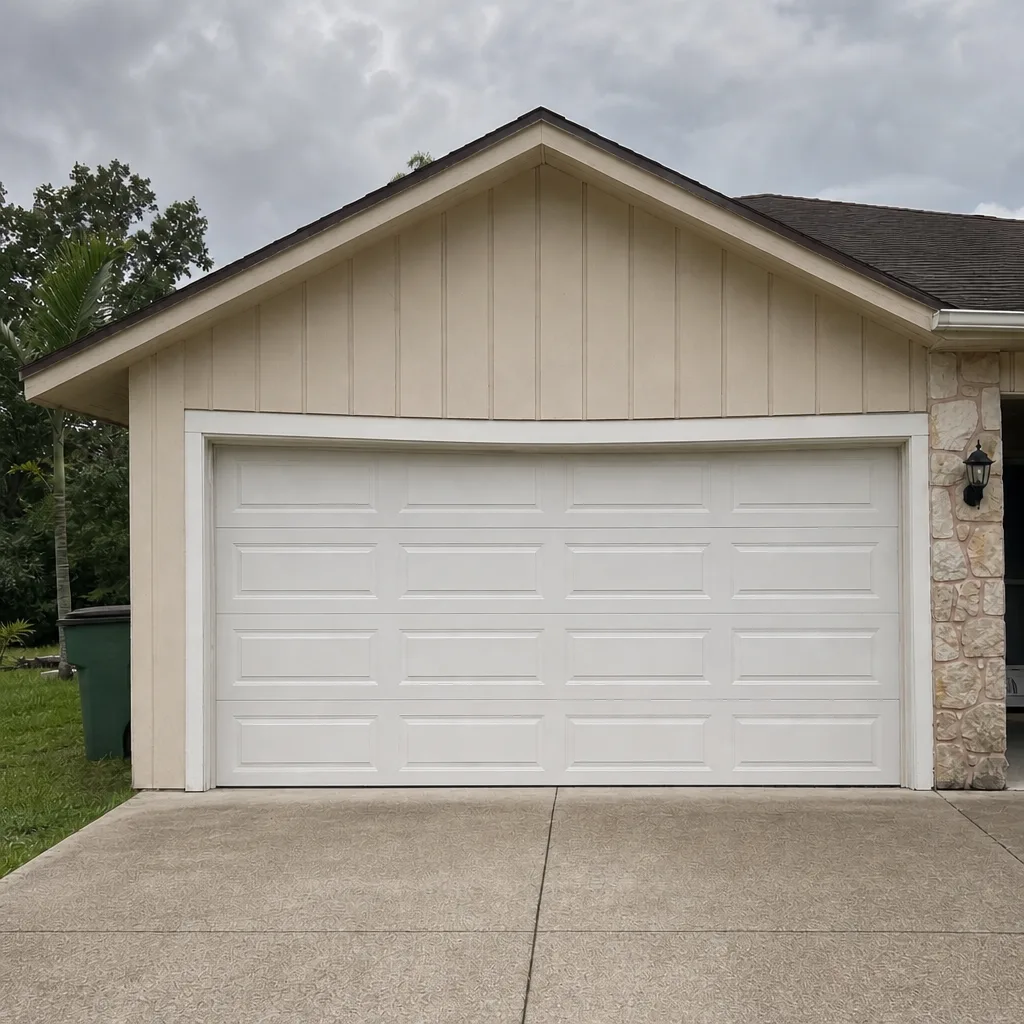 After
When to Call a Professional
You can check your own permit record, read an NOA, and call the building department yourself. Many homeowners do, and it works fine. But call us when:
- You’re replacing the door and want the model, NOA, and current permit requirement resolved in one conversation.
- You’ve inherited a door with no paperwork and need someone to identify the equipment and what it’s going to take to bring it into compliance.
- You’re prepping a home for sale in Port Saint Lucie and a title search has flagged the door.
- You’re not sure whether your door’s approval meets the site’s wind-load requirement, and you want a straight answer before you order.
- You’re in a retroactive permit situation and need a technician who can read the door and tell you what’s practical.
Port Saint Lucie Garage Door Repair offers free estimates in Port Saint Lucie – call (855) 337-1068. We answer 24/7. Fast dispatch from 7am to 7pm, Sunday through Friday. Whether the door needs a repair, a replacement, or just a look at what’s actually installed, one call starts the process.
Frequently Asked Questions
A permit is required when the installation involves a structural change, a size change, or a new opening. A like-for-like, same-size replacement with a product-approved door may fall into a more administratively simple category, but you should confirm with the St. Lucie County Building Department before ordering. The current county position is always the answer that governs your job. Call (855) 337-1068 if you’d like us to walk through the category with you before you order.
An NOA (Notice of Acceptance) is the Florida product approval document for a specific garage door model, showing its design pressure and the installation conditions under which that rating applies. Garage doors in Florida need a valid approval that meets the wind-load requirement for the site. The NOA carries the model number and evaluation details. If a door has no NOA, or the install doesn’t match the NOA, the installation isn’t the approved product. Call (855) 337-1068 for a quote on a compliant installation – estimates are free.
Yes, it can. Wind-load requirements vary across Florida based on the property’s location, the exposure category, and the building configuration. A door whose approval meets a design pressure adequate for a central Florida site may not meet the required pressure for a specific Port Saint Lucie location. The fix is to match the NOA’s design pressure to the site requirement before ordering. We check this on every door we spec. Call (855) 337-1068 to talk through your door and site.
The inspector checks that the installed door matches the permitted product and the NOA: model, anchoring, reinforcement, and opening size. Structural work tied to the permit is also part of the inspection. The inspector does not typically test opener settings, photo-eye alignment, or door balance – those are safety items, but they’re separate from the structural inspection. We run our own safety check on every install. Call (855) 337-1068 to schedule an install or check the door you’ve got.
It can. A homeowner’s policy has conditions about the property being maintained and built in accordance with code, and an adjuster can look at the permit record when evaluating a claim that involves the garage door. A missed permit doesn’t automatically void coverage, but it gives the insurer an argument. A clean permit history is the direct defense. Call (855) 337-1068 if you’re not sure whether the door at your Port Saint Lucie home was permitted.
Yes, though it requires working with the St. Lucie County Building Department on an after-the-fact permit. You may need to identify the door model, produce or obtain the NOA, arrange whatever inspection the department requires, and complete any corrective work. It’s usually faster and cheaper than it sounds when the door can be identified. Call (855) 337-1068 if you’d like us to take a look at the door and help identify what’s installed.
The Bottom Line
The garage door permit in Port Saint Lucie isn’t about paperwork. It’s the record that the door on your house meets the wind-load requirement for the site, and that the installation matches the approval. Confirm the permit category before you order. Insist on the NOA by model and number. Make sure the install method matches the document. Keep the paperwork with the permit file. And if you’re selling a home or looking at a door with no history, resolve it before the title search does. Nothing here is difficult. It just needs to be done in the right order. When you’re ready to have the door looked at – repair, replacement, or a straight answer on what’s installed – one call handles it.
If you’re ready to move forward with a door replacement, a repair, or a compliance check on an existing install, we’re here to help. Garage doors are all we do, and it means we know the approval game as well as the hardware. From a broken spring to a full replacement, one call handles it. Call (855) 337-1068 for a free estimate. We answer 24/7. Fast dispatch from 7am to 7pm, Sunday through Friday.
Written by the team at Port Saint Lucie Garage Door Repair.